


How to Prove Your Employer’s Reason for Firing You Was a Pretext
What Does It Mean When an Employer’s Reason for Firing You Is a Pretext? Key Takeaways: A pretext is a false or misleading reason an employer gives to hide an unlawful motive for firing someone, such as discrimination or retaliation. California courts usually analyze these claims under FEHA with a

What to Know Before Signing a Severance Agreement in California
The Document Your Employer Wants Signed Quickly: A Closer Look at California Severance Offers Key Takeaways: A severance agreement trades money or benefits for your release of legal claims, so before signing you should understand which claims you’re giving up and what they may be worth. California’s Labor Code §

What Is Intermittent FMLA Leave and How Does It Work in California?
Taking Medical Leave in Pieces: A California Employee’s Guide Key Takeaways: Intermittent FMLA leave lets an eligible employee take protected time off in separate blocks or on a reduced schedule rather than one continuous stretch, using hours from the same 12-week entitlement. In California, federal FMLA and the California Family
What Are the Exceptions to At-Will Employment in California?
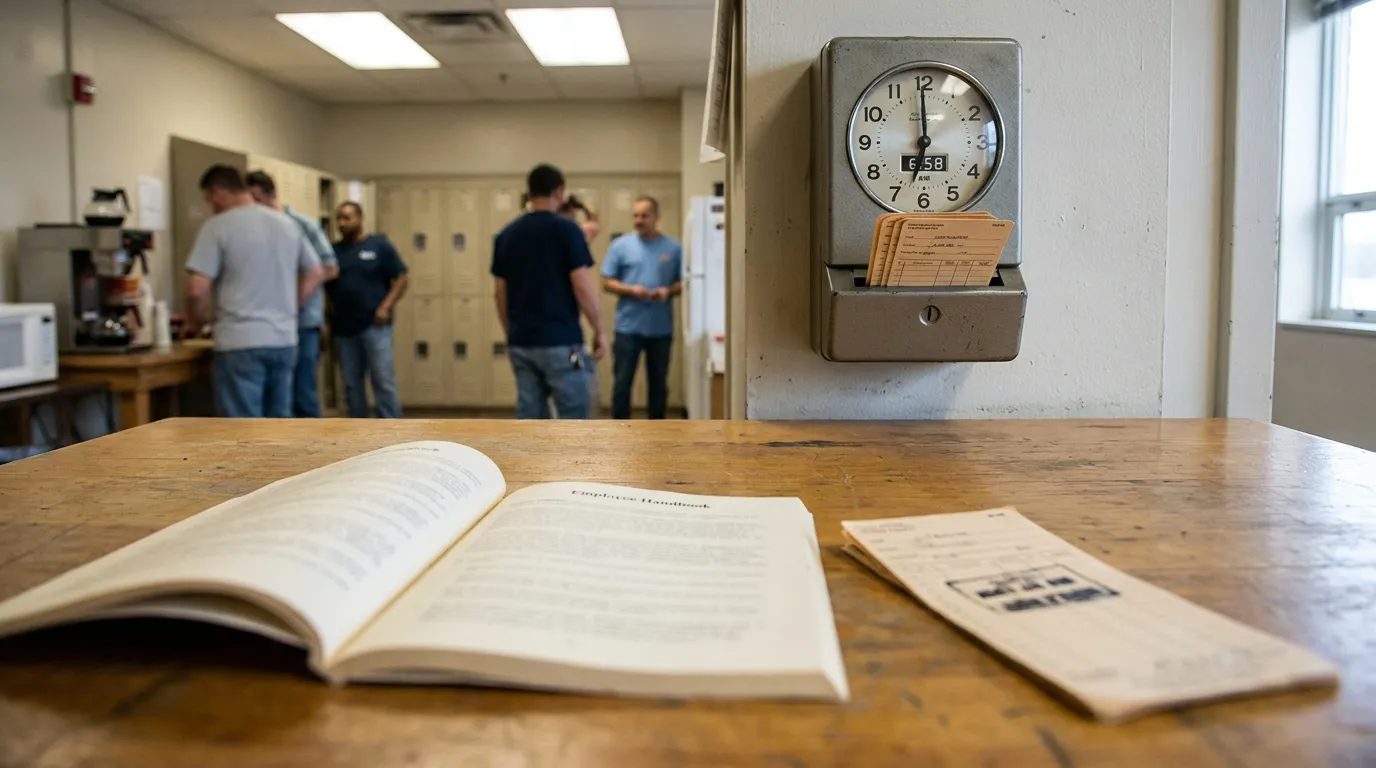
Being Fired "At Will" Does Not Mean Being Fired for Any Reason Key Takeaways: California’s at-will presumption under Labor Code § 2922 lets either party end employment at any time, but not for an illegal reason. Main exceptions include terminations that violate public policy (Tameny claims), statutory protections such as

What Counts as Inappropriate Touching in a California Workplace?
Where the Line Falls Between Awkward and Unlawful at Work Key Takeaways: Inappropriate touching in a California workplace covers unwelcome physical contact of a sexual nature, including groping, forced hugs, shoulder rubs, hair touching, repeated hand-on-thigh or lower-back contact, cornering, and "accidental" brushing that keeps happening. Under FEHA, such conduct

What Medical Information Must You Disclose to a California Employer?
Your Health Information at Work: What California Law Actually Requires You to Share Key Takeaways: California employees rarely must disclose their full medical history to an employer. Before a conditional job offer, FEHA generally bars employers from asking about disabilities or medical conditions, though they may ask whether you can
What Is the After-Acquired Evidence Defense in California Retaliation Cases?
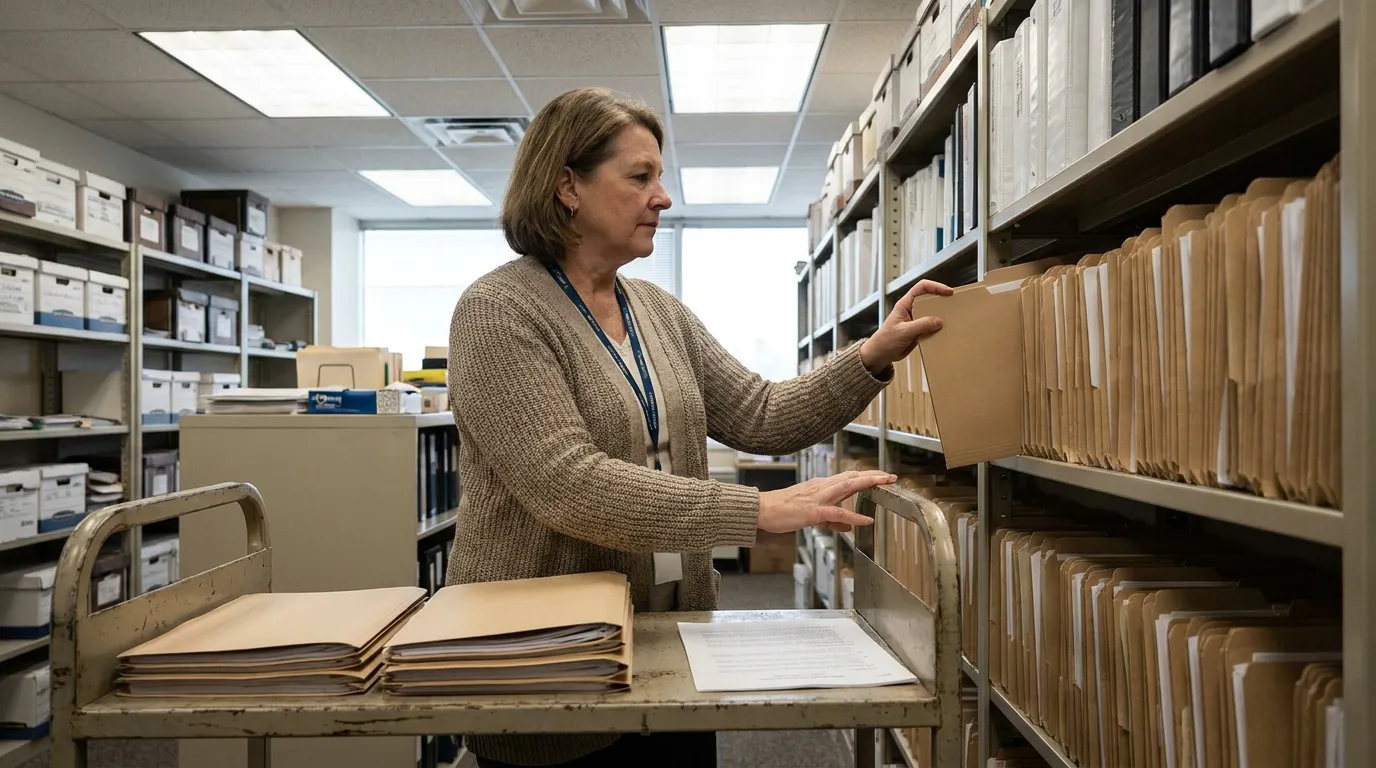
When an Employer Digs Into Your Past After Firing You Key Takeaways: The after-acquired evidence defense is an employer’s claim that misconduct discovered after an adverse action, such as résumé fraud, would have justified the decision anyway. In California, this is generally not a complete defense to FEHA retaliation claims;

Should You Quit or Wait to Be Fired in California?
Weighing Your Options When Your Job Is Falling Apart Key Takeaways: In California, waiting to be fired generally preserves more legal options than quitting, because termination is typically a clear adverse employment action while resignation may shift the burden onto you to prove constructive discharge under a narrow, objective standard.

Is It Illegal in California to Punish a Worker for Requesting Accommodation?
Asking for Help at Work Should Not Cost You Your Job Key Takeaways: It is unlawful in California to punish a worker for requesting a disability accommodation. Cal. Gov’t Code § 12940(m)(2) makes retaliation for an accommodation request a standalone FEHA violation, regardless of whether the request was granted. Employers