Taking Medical Leave in Pieces: A California Employee’s Guide
Key Takeaways: Intermittent FMLA leave lets an eligible employee take protected time off in separate blocks or on a reduced schedule rather than one continuous stretch, using hours from the same 12-week entitlement. In California, federal FMLA and the California Family Rights Act usually run concurrently when the same absence qualifies under both laws, though CFRA covers employers with five or more employees and a broader definition of family, including domestic partners and grandparents. Eligibility generally depends on tenure, hours worked, and employer size, and intermittent scheduling for a serious health condition must be medically necessary and may be supported by certification. Leave itself is generally unpaid, but State Disability Insurance, Paid Family Leave, and accrued paid sick days may replace part of your wages in some cases. Employers are generally required to count leave in small increments and should not charge you more time than you actually take. When an employer responds to protected absences with discipline, demotion, or termination, that timing may support an interference, retaliation, or FEHA disability claim.
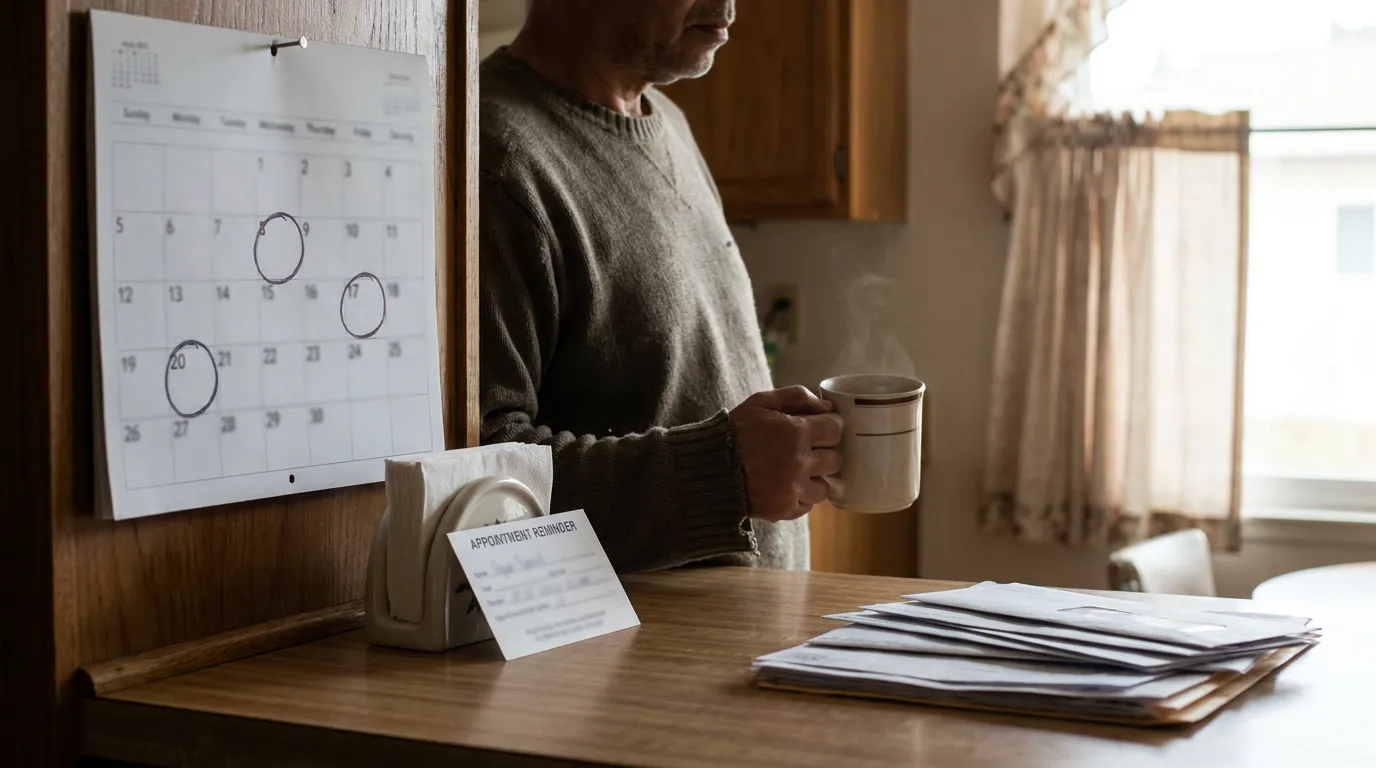
Intermittent FMLA leave allows an eligible employee to take protected time off in separate blocks rather than one continuous stretch. Instead of disappearing for twelve straight weeks, you might take Tuesday afternoons for chemotherapy, two days a month when a chronic condition flares, or a few hours weekly to drive a parent to dialysis. Federal FMLA generally gives eligible employees up to 12 weeks of unpaid, job-protected leave in a 12-month period, taken all at once or intermittently. In California, the same time off is often also protected by CFRA, and where both laws cover the same absence they generally run together. The catch that brings most workers to our office isn’t the paperwork, it’s what happens after: schedule changes, sudden write-ups, or "restructuring" that eliminates only your position.
If your employer’s attitude changed after you started taking protected medical leave, the timing matters. The team at Moore Ruddell LLP represents employees across Southern California who were punished for exercising leave rights. Call (310) 792-7010 or reach out to our team here to discuss what happened in your workplace.
Who Actually Qualifies for Intermittent Leave in California?
Eligibility turns on your tenure, your hours, and your employer’s size, not on how sympathetic your situation is. To qualify, you generally must work for a covered employer, have been employed at least 12 months, and have worked at least 1,250 hours in the prior 12 months. The employer-size threshold matters too: federal FMLA generally applies to employers with 50 or more employees within 75 miles, while CFRA generally reaches employers with five or more employees. That gap matters for workers at smaller Riverside and San Bernardino County businesses, who may have state protection even without federal coverage.
What Reasons Support Intermittent Medical Leave?
Intermittent scheduling for a serious health condition is generally available when it is medically necessary, not merely convenient. A UCSF fact sheet on these overlapping laws notes leave may be taken all at once, intermittently, or through a reduced schedule, and employers may require medical certification. Common qualifying reasons include:
- Your own serious health condition, including chronic illness with flare-ups
- Ongoing treatment such as dialysis, physical therapy, or cancer treatment
- Caring for a family member with a serious health condition
- Bonding time with a new child, which employers may or may not have to permit intermittently
- Certain qualifying military exigencies
CFRA also generally expands the definition of family member compared to federal law, covering registered domestic partners, grandparents, grandchildren, siblings, parents-in-law, and often a "designated person." A Los Angeles employee caring for a grandparent may therefore have state protection where federal law offers none.
How Are FMLA Time Increments Counted?
Employers generally must track intermittent leave in increments no greater than the smallest increment used for other leave, and should not charge you more time than you actually take. If payroll tracks in fifteen-minute units, your employer generally should not deduct a half-day for a ninety-minute appointment. Your 12-week entitlement is generally converted to hours when taken intermittently, based on your normal workweek, so a full-time employee working 40 hours weekly may have roughly 480 protected hours.
| Leave Feature | Federal FMLA | California CFRA |
|---|---|---|
| Employer size | 50+ employees within 75 miles | 5+ employees |
| Leave amount | Up to 12 weeks per 12-month period | Up to 12 weeks per 12-month period |
| Intermittent leave | Permitted when medically necessary | Permitted when medically necessary |
| Covered family | Spouse, child, parent | Also domestic partners, grandparents, grandchildren, siblings, parents-in-law, designated person |
💡 Pro Tip: Keep your own log of every intermittent absence, dates, hours, and who approved it. Employers sometimes miscount leave, and a contemporaneous record can become important evidence later.
Understanding Intermittent FMLA California Rules on Pay and Benefits
Neither FMLA nor CFRA generally requires your employer to pay you during leave, but California wage replacement programs may fill part of the gap. State Disability Insurance may apply when your own condition keeps you from working, and Paid Family Leave may apply when caring for a covered family member or bonding with a new child. These EDD-administered programs generally operate separately from your job-protection rights. Receiving benefits doesn’t guarantee your absence is job-protected, and job protection doesn’t guarantee benefits.
Your employer may also require you to use accrued vacation or PTO concurrently with unpaid leave, though it generally cannot force you to use accrued paid sick leave for every type of CFRA leave. California’s paid sick leave statute generally requires employers to permit use of accrued sick days for diagnosis, care, or treatment of an existing condition. For a plain-language walkthrough, see the FMLA and California leave programs guidance, though your specific entitlement depends on your facts.
Why Do FMLA and CFRA Run at the Same Time?
California law generally provides that overlapping leave entitlements run concurrently so employees don’t stack separate 12-week blocks. Government Code § 12945.2 limits CFRA leave to 12 workweeks in a 12-month period, and federal regulations allow an employer to count a single absence qualifying under both statutes against both entitlements simultaneously. Similar language appears in Government Code § 12945.8, governing leave for victims of qualifying acts of violence. The result is generally one pool of protected time when the same absence qualifies under both laws, not two.
There are meaningful exceptions. Pregnancy Disability Leave under Government Code § 12945 runs concurrently with FMLA but generally does not count against CFRA leave, so an employee may get PDL for the disability period plus a separate CFRA bonding entitlement. That’s why some California employees may receive substantially more total protected time than federal law alone suggests. Whether a specific exception applies is fact-dependent and often disputed.
When Does Punishing an Employee for Leave Become Retaliation?
Retaliation may occur when an employer takes adverse action against you for exercising a protected right, including medical or family leave. Interference generally involves denying, delaying, or discouraging leave you were entitled to take. Retaliation generally involves punishing you afterward through termination, demotion, discipline, reduced hours, or a materially worse assignment.
What Evidence Tends to Make a Leave Retaliation Case Viable?
Timing alone rarely wins a case, but timing combined with a shift in treatment is often where a potential claim begins. In our experience representing employees throughout Los Angeles and the Inland Empire, the strongest matters often share recognizable patterns: glowing reviews that turn negative only after leave requests, supervisor comments about "reliability" or "commitment," discipline for absences that were actually approved leave, and shifting explanations for the same decision. Labor Code § 246.5(c) bars an employer from discharging, demoting, suspending, or discriminating against an employee for using accrued sick days, and provides a rebuttable presumption of unlawful retaliation when certain adverse actions occur within 30 days of protected activity, though that presumption applies only to sick leave claims, not FMLA or CFRA generally.
Not every unpleasant consequence is actionable. A schedule you dislike, a rude supervisor, or a denied promotion may not support a claim. Courts generally require an adverse employment action that materially affects the terms or conditions of employment, plus a causal connection to the protected activity. If you’re weighing whether your situation crosses that line, our intermittent FMLA California lawyer team can evaluate the facts with you.
How Do Leave Rights Connect to FEHA Claims?
Many intermittent leave disputes also involve disability discrimination and failure to accommodate under FEHA. When your condition qualifies as a disability, a reduced or modified schedule may be a reasonable accommodation independent of your leave entitlement, and your employer generally must engage in a timely, good-faith interactive process under Government Code §§ 12940(m) and 12940(n), absent undue hardship. An employee whose 12 weeks are exhausted may still have rights, though indefinite leave is generally not a required accommodation. The Civil Rights Department publishes an overview of California employment rights worth reviewing.
Before filing most FEHA lawsuits, an employee generally must first file an administrative complaint with the Civil Rights Department and obtain a right-to-sue notice, generally within three years of the alleged unlawful practice, with a civil action generally required within one year of that notice. Exceptions like tolling or delayed discovery are applied narrowly. Because a missed deadline can end an otherwise strong case, timing questions deserve prompt attention.
What Should You Do If Your Leave Triggers Backlash?
Documentation and calm persistence may protect claims better than confrontation. Request leave in writing whenever possible, keep copies of medical certifications, and save performance reviews from before your leave began. If disciplined for an absence that was approved protected leave, respond in writing and identify the leave. Many of our clients found that this single step helped expose inconsistencies in their employer’s later explanation.
💡 Pro Tip: Forward important workplace emails to a personal account only when permitted by policy and law, otherwise, note dates and content in a personal journal, since an unauthorized document grab can complicate an otherwise strong case. Readers looking for deeper background can browse our employee leave rights California resources.
Frequently Asked Questions
1. Can my employer deny intermittent leave and require me to take it all at once?
Generally no, when the leave is for a serious health condition, is medically necessary, and is properly certified. Employers may sometimes temporarily transfer you to an alternative position with equivalent pay and benefits that better accommodates recurring absences. Bonding leave is treated differently; under CFRA, an employer may generally require it be taken in increments of at least two weeks, with limited exceptions.
2. Does my employer have to hold my exact job?
Both FMLA and CFRA generally require reinstatement to the same or a comparable position with equivalent pay, benefits, and working conditions. Narrow exceptions exist, including FMLA’s "key employee" exception for certain highly compensated employees, which CFRA doesn’t include. An employer’s claim that your position was eliminated is often a central factual dispute.
3. Can I be fired while on intermittent FMLA leave?
Taking leave generally doesn’t immunize you from lawful termination for reasons unrelated to the leave, since California employment is presumed at-will absent a contrary agreement. However, at-will status generally doesn’t protect an employer that terminates someone because of protected leave. The question is usually what actually motivated the decision.
4. What if my employer has fewer than 50 employees?
You may still be protected. CFRA generally reaches employers with five or more employees, and FEHA disability accommodation obligations generally apply at that same threshold.
5. Do I have to explain my medical condition to my supervisor?
Generally no. Employers may request certification from a health care provider supporting the need for leave, but detailed diagnosis disclosure to supervisors is typically not required, and medical information generally must be kept confidential in a separate file.
Protecting Your Job While Caring for Your Health
Intermittent leave exists precisely because serious health conditions rarely follow a tidy calendar. California employees generally may have layered protection through federal FMLA, CFRA, FEHA accommodation duties, and paid sick leave statutes, and those layers interact in ways that even well-intentioned employers get wrong. When an employer responds to protected absences with discipline, isolation, or termination, the law may provide a remedy, though outcomes always depend on the specific facts, evidence, and timing involved.
If your career stalled or ended after you took medical leave, a conversation costs you nothing. Schedule a free consultation with Moore Ruddell LLP by calling (310) 792-7010 or contacting our Southern California employment attorneys now to discuss your situation.
Disclaimer: This content is for informational purposes only and is not legal advice. Every case is unique, and results may vary. Consult an attorney about your specific circumstances.