Your Spoken Safety Complaint Can Count Under California Law
Key Takeaways: Yes, a verbal safety complaint to your supervisor is often legally protected in California, because Labor Code § 6310 covers "any oral or written complaint" about unsafe working conditions made to an employer. Other laws may also protect spoken complaints, including Labor Code §§ 1102.5, 98.6, and 6399.7, plus Health and Safety Code § 1596.881 for licensed child care workers. Retaliation can mean firing, but it may also cover demotion, cut hours, worse shifts, threats, or loss of pay, seniority, or benefits. To win a retaliation claim, you generally need to show protected activity, an adverse action, and a causal link between them, and proving the link is often the hardest part with verbal complaints. Remedies may include reinstatement, back pay, and lost benefits, and you may be able to pursue them through the Labor Commissioner or a civil lawsuit. Deadlines can be short, as little as 90 days for some child care retaliation complaints and generally one year for most Labor Commissioner retaliation complaints, so it helps to write down your complaint and speak with an attorney early.
Yes. In many cases, a verbal safety complaint to your supervisor is legally protected in California. California Labor Code § 6310 protects employees who make "any oral or written complaint" about unsafe working conditions to their employer, certain government agencies, or their representative. A complaint generally does not have to be written down to count. If your employer fired, demoted, or disciplined you after you spoke up about a hazard, you may have a retaliation claim, depending on the facts.
Speaking up should not cost you your job, and you have options if it did. If you were punished after reporting a hazard, Moore Ruddell LLP can review what happened and explain your rights. Call (310) 792-7010 or schedule a free consultation with our team.
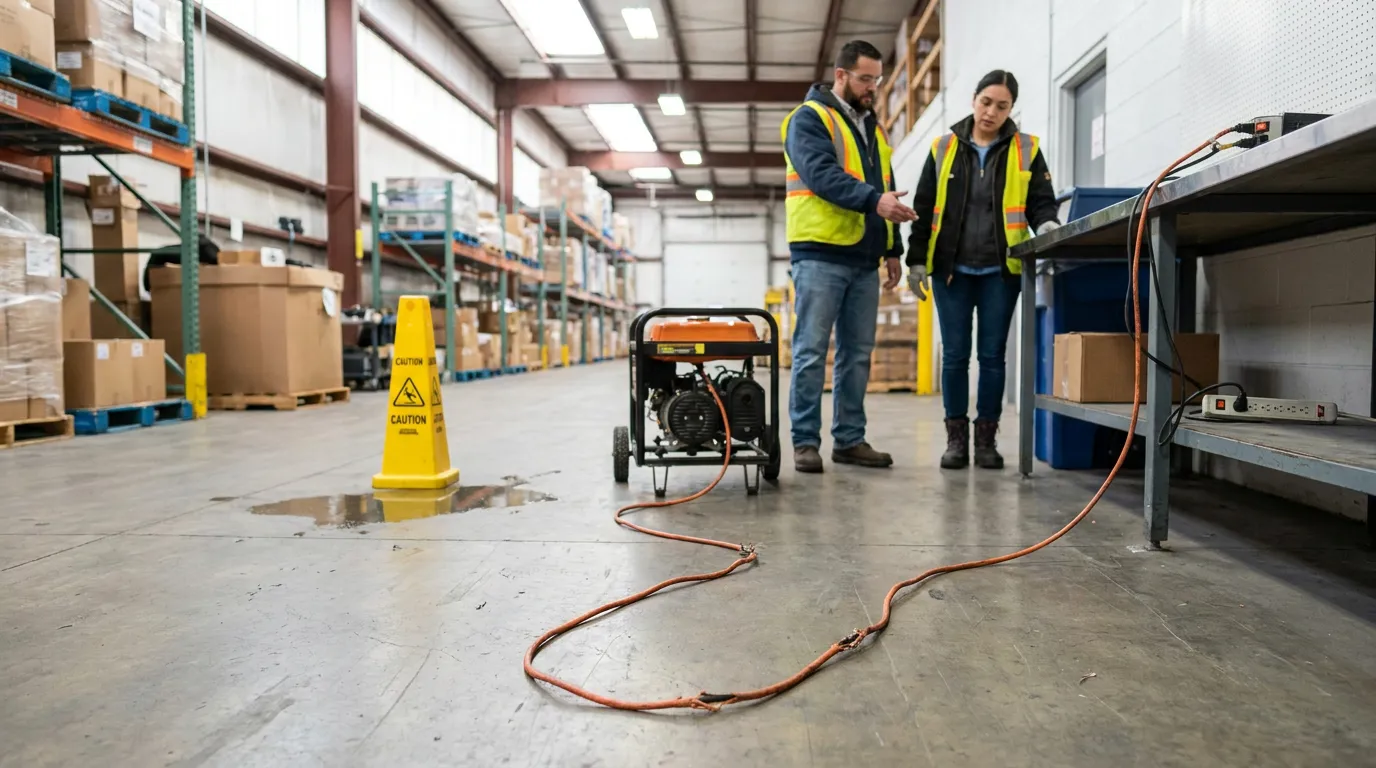
What Does California Law Say About Reporting Safety Concerns at Work?
California law generally protects reporting safety concerns at work whether you speak up or write it down. Labor Code § 6310 prohibits employers from firing or discriminating against an employee who complains about workplace safety or health. The statute names the employer as a proper recipient of the complaint, so telling your supervisor in person can qualify. Employees in Los Angeles often ask whether a hallway conversation "counts." Under the statute’s text, it can, as long as the employer can reasonably understand it as a safety or health complaint.
California’s Labor Commissioner enforces this protection directly. The Division of Labor Standards Enforcement (DLSE) lists Labor Code § 6310 among the statutes it enforces through its retaliation complaint process. That process covers retaliation against employees who engaged in protected conduct, including complaints to the employer about working conditions. Nothing in the procedure requires the original safety complaint to be written.
Which Other California Laws Protect Oral Safety Complaints?
Several overlapping California laws may protect an oral complaint about unsafe conditions. These include:
- Labor Code § 6310: protects oral or written complaints about workplace safety and health.
- Labor Code § 1102.5: California’s whistleblower statute. It generally protects employees who disclose information they reasonably believe shows a violation of a law, rule, or regulation to a person with authority over them, which may include a supervisor.
- Labor Code § 98.6: prohibits retaliation for exercising rights under the Labor Code.
- Labor Code § 6399.7: under California’s hazardous substances law, it is illegal to discriminate against employees who file complaints or use their rights under that chapter.
- Health and Safety Code § 1596.881: protects licensed child care employees who make good-faith oral or written complaints about licensing or other law violations.
Labor Code § 6399.7 ties hazardous substance complaints back to Section 6310. Under the hazardous substances statute, a violation of that section "shall be a violation of the provisions of Section 6310." Coverage can also depend on your job and industry.
How Does the Child Care Rule Work?
California gives licensed child care workers specific protection for spoken complaints. Under Health and Safety Code § 1596.881, an employer may not fire, demote, suspend, threaten, or otherwise discriminate against an employee who makes a good-faith oral or written complaint to the state or to the employer. The law also protects workers who refuse to do work that would break a licensing law, as long as they tell the employer about the violation first. Employers must notify employees of these rights in writing at hire.
What Counts as Retaliation After a Supervisor Safety Report?
Retaliation includes more than being fired. It may include demotion, suspension, cut hours, worse shifts, a punitive reassignment, threats, or sudden negative reviews. Labor Code § 6399.7 states that employees who use their safety rights may not lose "pay, seniority, or other benefits." Courts generally ask whether the employer’s actions, alone or together, materially affected the terms, conditions, or privileges of employment, which can include a pattern of smaller actions.
At-will employment does not give your employer permission to retaliate. An employer can generally end employment for any lawful reason, but firing someone because they reported a hazard is unlawful. Depending on the facts, that may support both a statutory claim and a separate claim for wrongful termination in violation of public policy, often called a Tameny claim.
💡 Pro Tip: Right after a verbal complaint, send a short follow-up email to your supervisor summarizing what you reported and when. That creates a dated record without changing the protected status of the original conversation.
What Makes a Retaliation Claim Viable?
Proving a verbal safety complaint was protected is only the first step. In most retaliation cases, an employee generally needs to show three things:
- You engaged in protected activity, such as reporting a hazard.
- You suffered an adverse employment action.
- A causal link connects the two.
Causation is usually where verbal complaints get challenged. Employers may deny the conversation ever happened or claim the decision-maker never heard about it. Witnesses, texts, emails, close timing, and a sudden change in how you were treated can help close that gap. For § 1102.5 claims, the employee only needs to show the complaint was a contributing factor, and the employer must then prove by clear and convincing evidence that it would have taken the same action anyway.
Not every workplace complaint becomes a strong legal claim. Stronger cases usually involve a clear safety report, serious adverse action like termination or demotion, documented timing, and real financial or career harm. Workers across Los Angeles, Riverside County, and San Bernardino County who lost their jobs or income after speaking up should have their situation reviewed early. An experienced reporting safety concerns at work lawyer can evaluate the evidence, timing, and employer motive.
What Remedies May Be Available?
Depending on the claim, remedies may include reinstatement, back pay, and lost benefits. Labor Code § 6310 provides that a retaliated-against employee is entitled to reinstatement and reimbursement for lost wages and work benefits caused by the employer’s actions. The DLSE investigates complaints and may order remedies, depending on its findings. Civil penalties of up to $10,000 per violation may also apply under §§ 98.6 and 1102.5, and a civil lawsuit may allow additional damages.
The administrative process and a civil lawsuit are separate paths. Filing with the Labor Commissioner is not the same as filing a lawsuit in court, and different deadlines and procedures apply. If your safety complaint overlaps with harassment or discrimination concerns, FEHA may also apply, and it generally requires filing with the California Civil Rights Department before suing.
How Long Do You Have to Act?
Retaliation deadlines can be short, and they vary by statute. Since January 1, 2021, Labor Code § 98.7 has generally allowed one year from the violation to file a retaliation complaint with the Labor Commissioner, including complaints under §§ 98.6 and 6310. Some older DLSE materials still mention six months, so confirm the deadline that applies to your claim with an attorney.
| Claim Type | General Deadline | Where Filed |
|---|---|---|
| Labor Code §§ 98.6 / 6310 retaliation | Generally one year under § 98.7 | Labor Commissioner (DLSE) |
| Child care retaliation, H&S Code § 1596.882(a) | Present to employer within 45 days; file with DLSE within 90 days | Employer and DLSE |
| FEHA retaliation | Generally three years to file with CRD | Civil Rights Department |
| Civil lawsuit claims | Varies by cause of action | Superior Court |
Exceptions that extend deadlines are generally interpreted narrowly. Do not assume tolling or any extension applies to your case. Speaking with counsel promptly helps protect every available option.
Frequently Asked Questions
1. Is a verbal safety complaint protected if I never put it in writing?
Generally, yes. Labor Code § 6310 expressly covers oral complaints to an employer. The practical challenge is proof, so witnesses and follow-up records matter.
2. Does my complaint have to be correct to be protected?
Not always. Many California protections focus on whether you acted in good faith or reasonably believed a violation existed. Health and Safety Code § 1596.881, for example, protects "good faith" complaints.
3. Can I be retaliated against without being fired?
Yes. Demotions, schedule cuts, lost seniority, and loss of benefits may count as retaliation. Labor Code § 6399.7 specifically bars the loss of pay, seniority, or benefits for using safety rights.
4. Is complaining to a coworker or union representative protected?
Under certain circumstances, yes. Labor Code § 6310 covers complaints to an employee’s representative, such as a union representative. A private conversation with a coworker generally is not a complaint to the employer, but it may still matter depending on the facts.
5. How do I know whether I have a strong case?
It depends on the evidence, the timing, and the harm you suffered. Our page on California whistleblower protections explains related rights. An attorney can assess your specific facts.
Protecting Yourself After Speaking Up
California law generally treats reporting safety concerns at work as protected activity, even when the report was spoken rather than written. Whether you have a viable claim depends on proof of your complaint, the action taken against you, and the link between the two. Deadlines can be short, so acting early matters.
You do not have to figure this out alone. Contact Moore Ruddell LLP today to discuss your situation. Call (310) 792-7010 or reach out to our employment attorneys to schedule a free consultation with our team.
Disclaimer: This content is for informational purposes only and is not legal advice. Every case is unique, and results may vary. Consult an attorney about your specific circumstances.