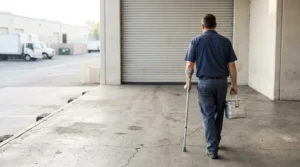
When Speaking Up About Safety Costs You Your Job
Key Takeaways: No, a Torrance aerospace employer generally cannot lawfully fire a worker for making a good-faith safety complaint. California Labor Code §§ 6310 and 1102.5 protect employees who report unsafe conditions or suspected legal violations, whether internally or to agencies like Cal/OSHA. Section 1102.5(c) also protects workers who refuse tasks that would violate the law, while § 6311 protects refusing work that poses a real safety hazard. Terminating someone soon after such a complaint is often unlawful retaliation, which may also appear as demotions, schedule changes, or manufactured write-ups. A viable claim requires protected activity, an adverse action, causation, and damages. Remedies can include reinstatement, lost wages, civil penalties, and other damages, though outcomes depend on timing, documentation, and the employer’s stated reasons. Consult an experienced employment attorney promptly to evaluate your rights and deadlines.
No, a Torrance aerospace employer generally cannot lawfully fire a worker for making a good-faith safety complaint. California law protects employees who report unsafe conditions or suspected legal violations, and terminating someone because they raised those concerns is often unlawful retaliation. If you were let go shortly after flagging a hazard on the shop floor or reporting a violation to a government agency, you may have a viable wrongful termination claim.
If you believe you were fired for raising safety concerns, Moore Ruddell LLP can help you understand your options. Call our team at (310) 792-7010 or reach out through our confidential contact form to schedule a free consultation.
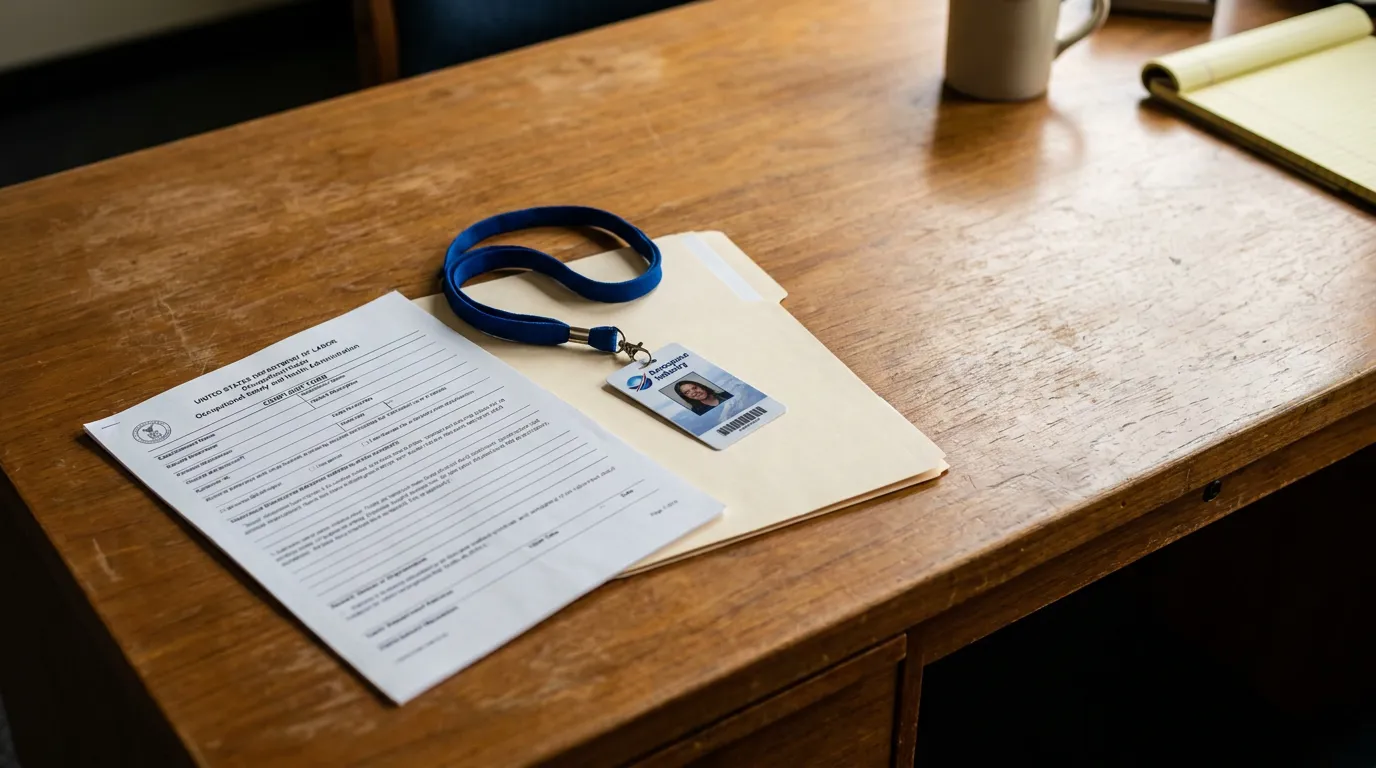
What Counts as a Protected Safety Complaint in California?
A protected safety complaint is a good-faith report about workplace health and safety violations, made either internally or to an outside agency. California Labor Code § 6310 covers reporting violations of health and safety rules and applies directly to aerospace employees who report workplace safety concerns. This protection can apply even if no actual violation is ultimately proven, so long as the worker complained in good faith about conditions they reasonably believed to be unsafe.
California’s core whistleblower statute, Labor Code § 1102.5, prohibits employers from retaliating against workers who report suspected violations of state or federal statutes, rules, or regulations. You can review the official statutory text of Labor Code 1102.5 to see the precise language.
Protection extends beyond external filings. Section 1102.5(b) protects disclosures made to a supervisor, to another employee with authority to investigate or correct the problem, or to a public body conducting an investigation. In practical terms, a safety complaint raised internally at an aerospace firm is generally covered, not just a report filed with Cal/OSHA.
💡 Pro Tip: Put your safety concern in writing whenever possible. A dated email to HR or a supervisor creates a clear record of what you reported and when, which can become important evidence if retaliation follows.
Why Firing a Whistleblower Is Usually Unlawful Retaliation
Terminating an employee soon after they file a safety complaint is often treated as unlawful retaliation. This is true whether the complaint went to internal HR or an outside governmental agency. Retaliation can also take subtler forms, such as sudden demotions, schedule changes, or manufactured performance write-ups that appear only after the complaint.
California broadly prohibits retaliation against employees who exercise or enforce their workplace rights. An employer may not fire an employee for exercising or trying to enforce their employment rights, and California offers extensive protections for employees, giving fired aerospace workers multiple potential avenues for relief.
The statute also protects employees who refuse to participate in unlawful activity. Section 1102.5(c) prohibits retaliation against a worker who refuses to take part in activity that would result in a violation of state or federal statute, rule, or regulation. Labor Code § 6311 provides related protection for refusing work that would create a real and apparent safety hazard.
Internal Complaints Versus External Reports
Both internal and external complaints can trigger legal protection. You do not have to go straight to a government regulator for your report to count. Reporting a hazard to a plant manager, safety officer, or human resources can qualify as protected activity under Labor Code § 1102.5(b).
Documentation and timing play a large role in how these cases develop. Courts and agencies often examine how much time passed between the complaint and the adverse action, and whether the employer’s stated reason for the firing holds up.
How a Wrongful Termination Attorney in Torrance Evaluates Your Case
A wrongful termination attorney in Torrance typically evaluates four core elements: protected activity, an adverse action, causation, and damages. In a safety complaint case, the protected activity is your report or refusal, the adverse action is usually the termination, and causation asks whether the two are connected. Under Labor Code § 1102.6, once an employee shows that protected activity was a contributing factor in the adverse action, the burden shifts to the employer to prove by clear and convincing evidence that it would have taken the same action for legitimate, independent reasons.
California is an at-will employment state, which means most employees can generally be let go at any time, with or without notice. However, California has created numerous illegal reasons for termination. Retaliation for a safety complaint is one of those off-limits reasons.
There is also a separate route that does not depend on a single statute. A wrongful termination in violation of public policy claim, sometimes called a Tameny claim, is a common-law tort that does not itself arise from a specific employment statute; however, the underlying public policy it vindicates must still be grounded in a constitutional or statutory provision. California courts require that the policy be tethered to a specific constitutional or statutory source, be beneficial to the public, be well established at the time of discharge, and be substantial and fundamental.
💡 Pro Tip: Preserve everything. Save pay stubs, performance reviews, emails, text messages, and the names of coworkers who witnessed your complaint or your firing. Evidence gathered early is often stronger than memories reconstructed months later.
A Real-World Aerospace Analogy
California law already recognizes scenarios that closely mirror a Torrance aerospace firing. An employee at an airplane-parts manufacturer who was fired for filing a complaint with the federal government, alleging that the company is illegally using after-market parts, would have a wrongful termination claim, even though no law expressly addresses this particular action.
That analogy is instructive for South Bay aerospace workers weighing whether to come forward. To understand the broader framework, review how whistleblower termination protections work under California law.
What Remedies May Be Available to Fired Aerospace Workers
Workers unlawfully retaliated against for whistleblowing may pursue remedies including reinstatement, recovery of lost wages, and other damages. Under California’s whistleblower framework, remedies can include reinstatement to the whistleblower’s position and recovery of denied benefits.
The statute also carries enforcement teeth. Section 1102.5(f) provides that an employer may be liable for a civil penalty not exceeding $10,000 per employee for each violation. A prevailing employee may also recover reasonable attorney’s fees under Section 1102.5(j). In discrimination-based wrongful termination matters, your employer can be forced to pay not only your lost wages and benefits, but also your attorneys’ fees and court costs, damages for your emotional distress, and possibly punitive damages.
Aerospace workers may also have overlapping federal protections, including the False Claims Act and federal statutes such as Sarbanes-Oxley.
| Potential Basis for a Claim | Governing Authority | What It Generally Covers |
|---|---|---|
| Safety rule complaints | Labor Code § 6310 | Reporting health and safety violations |
| General whistleblowing | Labor Code § 1102.5 | Reporting suspected legal violations; refusing unlawful tasks |
| Public policy firing | Tameny common law | Terminations that violate fundamental public policy |
| FEHA retaliation | Fair Employment and Housing Act | Retaliation tied to protected characteristics |
💡 Pro Tip: Administrative processes and civil lawsuits are separate tracks. Filing with an agency does not automatically preserve every civil claim, and deadlines vary. Speak with counsel promptly so no option quietly expires.
Not Every Safety Complaint Becomes a Viable Claim
Not every workplace complaint rises to the level of a viable legal claim. A strong case generally shows a good-faith report of a genuine violation, a clear adverse action, and a plausible connection between the two. Vague grievances, complaints unrelated to law or safety, or terminations with well-documented, legitimate causes can be harder to pursue.
Factors that often strengthen a claim include:
- Close timing between your complaint and your firing
- Written documentation of the safety concern you raised
- Shifting or inconsistent explanations from your employer
- Witnesses who can confirm the complaint and the response
A knowledgeable South Bay employment lawyer can help you assess whether your situation meets the legal thresholds. For additional background, you can review this overview of wrongful termination claims in California.
💡 Pro Tip: Do not sign a severance agreement before having it reviewed. Some agreements ask you to waive claims you may not realize you have, including retaliation and whistleblower claims.
Frequently Asked Questions
-
Can my Torrance employer fire me for reporting a safety hazard to Cal/OSHA?
Generally, no. Reporting a health or safety violation to an outside agency is protected activity under Labor Code § 6310 and § 1102.5. Firing you because of that report can constitute unlawful retaliation. -
Does the complaint have to go to a government agency to be protected?
No. Section 1102.5(b) protects internal disclosures to a supervisor or to an employee with authority to investigate or correct the issue. A safety complaint raised internally at an aerospace firm is generally covered. -
What if I refused to do work I believed was unsafe?
Labor Code § 1102.5(c) protects employees who refuse to participate in activity that would violate law, and Labor Code § 6311 offers protection for refusing work that would create a real and apparent safety hazard. -
How long do I have to bring a claim?
Deadlines vary by the type of claim and legal theory. Administrative deadlines differ from civil statutes of limitations. Consult an attorney promptly rather than assuming any extension applies. -
Is retaliation always an obvious firing?
No. Retaliation can be subtle, including demotions, reduced hours, or negative reviews that surface only after a complaint.
Standing Up for South Bay Aerospace Workers
California law offers meaningful protection to aerospace employees who are fired for raising safety complaints. Between Labor Code §§ 6310 and 1102.5 and the common-law protection against public policy terminations, workers who speak up have multiple potential paths to accountability. Every case turns on its specific facts, including timing, documentation, and the employer’s stated reasons.
If you were terminated after reporting unsafe conditions, reach out to our Southern California employment attorneys at Moore Ruddell LLP. Call (310) 792-7010 or schedule a free consultation online to learn how we may be able to help.