Your Right to Choose Court Over Arbitration for Harassment Claims
Key Takeaways: In most cases, your employer generally cannot force a sexual harassment claim into arbitration if the dispute arose or accrued on or after March 3, 2022, because the federal Ending Forced Arbitration of Sexual Assault and Sexual Harassment Act (EFAA) generally lets the survivor choose between court and arbitration, even under an agreement signed years ago. A judge, not an arbitrator, generally decides whether the EFAA applies, and the protection can also cover class action waivers. The EFAA has limits: it covers only predispute agreements, it generally does not reach disputes that arose or accrued before March 3, 2022, and courts disagree on whether unrelated claims in the same lawsuit stay in court. California’s AB 51 ban on mandatory arbitration has been blocked by federal courts, but employees may still challenge agreements under state law. Retaliating against you for reporting harassment or asserting your FEHA rights is generally illegal. Because strict deadlines apply, keep careful records and talk to an employment attorney early.
In most cases, your employer generally cannot force a sexual harassment claim into private arbitration if the dispute arose or accrued on or after March 3, 2022. A federal law, the Ending Forced Arbitration of Sexual Assault and Sexual Harassment Act (EFAA), generally lets the person bringing the claim decide whether to go to court or to arbitration, even if they signed an arbitration agreement when hired. Whether you can use that choice depends on when the dispute arose or accrued, what claims you bring, and how your agreement was written. If you work in Los Angeles, Riverside County, or San Bernardino County and were handed an arbitration form during onboarding, you should understand where you stand.
You do not have to sort this out by yourself. The team at Moore Ruddell LLP represents Southern California employees in sexual harassment, retaliation, and wrongful termination cases. Call (310) 792-7010 or schedule a free consultation to talk through your situation confidentially.
Why Do Employers Use Arbitration Agreements?
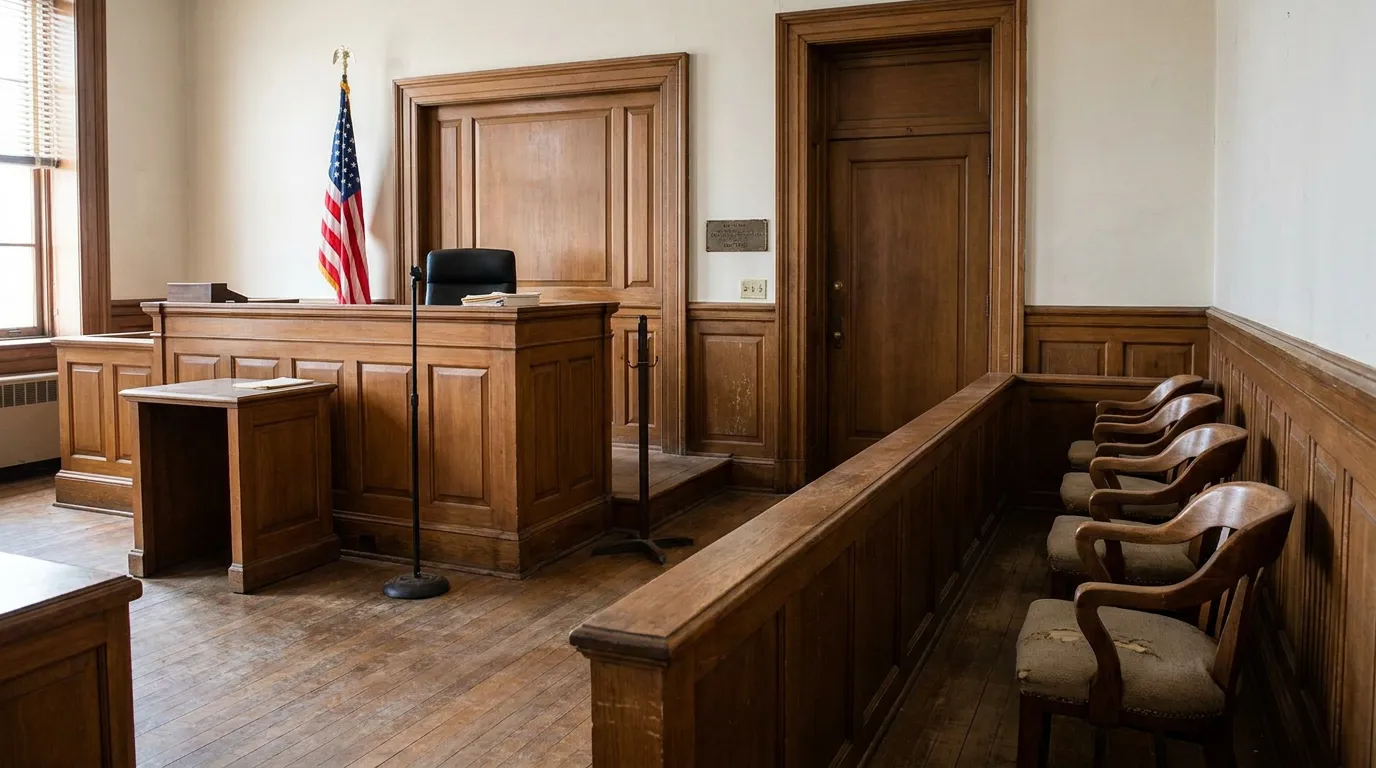
Employers often require workers to sign an arbitration agreement because it moves disputes out of public courtrooms. Arbitration is private. An arbitrator, usually paid by the employer in mandatory employment arbitration, decides the case instead of a judge and jury. Proceedings are often confidential, and courts can overturn an award only on very limited grounds.
California law generally treats written arbitration agreements as binding. Under Code of Civil Procedure § 1281, a written agreement to arbitrate future disputes is "valid, enforceable and irrevocable, save upon such grounds as exist for the revocation of any contract." The California Arbitration Act, found at Code of Civil Procedure §§ 1280 through 1294.4, also sets the procedures for choosing an arbitrator, holding hearings, and issuing awards.
Didn’t California Ban Mandatory Arbitration?
California tried, but federal courts blocked the law. Labor Code § 432.6 (AB 51) says employers cannot require employees or applicants to give up FEHA rights, forums, or procedures as a condition of employment. In Chamber of Commerce v. Bonta, 62 F.4th 473 (9th Cir. 2023), however, the Ninth Circuit held that the Federal Arbitration Act (FAA) preempts AB 51, and a federal district court then permanently barred the state from enforcing it. In practice, arbitration agreements covered by the FAA generally remain enforceable in California, subject to ordinary contract defenses. For sexual harassment claims, your main protection may come from federal law.
How Does the EFAA Stop Forced Arbitration of Sexual Harassment Claims?
The EFAA amended the FAA by adding a new chapter, 9 U.S.C. §§ 401 and 402, that puts the choice in the survivor’s hands. Under the text of the federal Act, if the person alleging sexual harassment or sexual assault chooses, no predispute arbitration agreement or predispute joint-action waiver is valid or enforceable for a case filed under federal, tribal, or state law that relates to the dispute. That can include FEHA claims filed in California courts.
Who Decides Whether the EFAA Applies?
Under the statute, a judge generally decides, not an arbitrator. Under 9 U.S.C. § 402(b), a court decides whether the EFAA applies and whether the agreement is valid and enforceable, even if the agreement gives those questions to the arbitrator.
Does the EFAA Cover Agreements I Signed Years Ago?
Generally yes, as long as the dispute or claim arose or accrued on or after March 3, 2022. What counts is when the dispute or claim arose or accrued, not when you signed the agreement. If the harassment ended before that date, the EFAA generally does not apply. When conduct started before that date and continued after it, courts decide case by case whether the claim accrued after the EFAA took effect.
💡 Pro Tip: Write down the dates of each harassing incident, report, and adverse action as soon as you can. When the harassment happened can decide whether the EFAA applies.
What Are the Limits of the EFAA?
The EFAA is strong, but it is not unlimited. Keep these limits in mind:
- It covers only predispute agreements. If you voluntarily agree to arbitrate after a dispute arises, that agreement may be enforceable.
- The protection is optional. You must choose to use it.
- Your claim must actually relate to sexual harassment or sexual assault. Courts have debated how detailed the allegations must be.
- Courts have reached different results on whether other claims in the same lawsuit, such as unrelated wage claims, also stay in court. This is unsettled.
| Situation | Can the Employer Likely Compel Arbitration? |
|---|---|
| Harassment claim arising on or after March 3, 2022, predispute agreement | Generally no, if the employee chooses court |
| Harassment that ended before March 3, 2022 | Possibly, unless a contract defense applies |
| Agreement signed voluntarily after the dispute began | Possibly |
| Retaliation tied closely to a harassment complaint | Often argued as part of the harassment case; depends on the facts |
What If the EFAA Does Not Apply to My Claim?
You may still have ways to challenge the arbitration agreement under California law. Code of Civil Procedure § 1281.2 lets a court refuse to compel arbitration if grounds exist to revoke the agreement, if the employer waived its right to arbitrate, or if related litigation with third parties creates a risk of conflicting rulings. That third-party exception may not apply if the agreement adopts FAA procedures. California courts regularly review employment arbitration agreements for unconscionability, such as one-sided terms, hidden clauses, or limits on remedies FEHA guarantees.
California’s protections against silencing workers may still apply. Under Government Code § 12964.5(a)(1)(A) and (B), an employer generally may not require you, as a condition of employment or in exchange for a raise or bonus, to release FEHA claims or sign a nondisparagement or other agreement that keeps you from disclosing information about unlawful acts at work. Under § 12964.5(a)(2), agreements that violate this rule are against public policy and unenforceable. Certain negotiated settlement and separation agreements are treated differently, so have an attorney review the exact wording.
Can My Employer Punish Me for Refusing to Sign?
Retaliation for opposing harassment or asserting your FEHA rights is generally illegal under California law. Labor Code § 432.6(b) also bars retaliation for refusing to waive FEHA rights, but because of the injunction, you cannot rely on that section. FEHA’s own anti-retaliation provision, Government Code § 12940(h), protects employees who complain about or oppose harassment or take part in FEHA proceedings. Refusing to sign an FAA-covered arbitration agreement may not by itself be protected activity. California is an at-will state, but that does not allow an employer to fire someone for an illegal reason. A firing like that may also support a separate wrongful termination claim in violation of public policy, known as a Tameny claim.
💡 Pro Tip: If HR sends you a new arbitration or "dispute resolution" policy after you report harassment, save a copy and note the date. The timing could become evidence.
What Makes a Sexual Harassment Lawsuit Strong?
Keeping your right to go to court matters most when the underlying claim is strong. Not every unpleasant workplace experience is legally actionable. Courts generally look at:
First, the nature of the conduct. Quid pro quo harassment involves tying job benefits to sexual demands. Hostile work environment claims require conduct severe or pervasive enough to alter working conditions. Under Government Code § 12923, a single incident can be enough.
Second, employer responsibility and harm. Under FEHA, employers are generally strictly liable for harassment by supervisors. They may also be liable for harassment by coworkers, and in some cases nonemployees, when they knew or should have known about it and failed to take prompt corrective action. Lost wages, demotion, termination, and documented emotional distress can all shape the value of a case.
Before filing a FEHA lawsuit, you generally must file a complaint with the California Civil Rights Department (CRD) and get a right-to-sue notice. Generally, you have three years from the last harassing act to file with the CRD and one year from the right-to-sue notice to file a lawsuit, though exceptions may apply. Talk with an attorney promptly so you do not miss these deadlines. You can also read more about employee rights in California in our article library.
Frequently Asked Questions
-
Can I still choose arbitration if I want to?
Generally, yes. The EFAA makes the predispute agreement unenforceable only at your election. Some survivors prefer arbitration for privacy.
-
Does the EFAA protect contractors and job applicants?
The EFAA is not limited to traditional employees. It covers sexual harassment and sexual assault disputes as defined by applicable law, so it may reach other relationships. Whether a particular contract and claim qualify depends on the facts.
-
What about a class action waiver in my agreement?
The EFAA also covers predispute joint-action waivers in harassment cases. At your election, those waivers generally cannot be enforced against a covered sexual harassment claim.
-
My employer already filed a motion to compel arbitration. Is it too late?
Not necessarily. You may be able to raise the EFAA in opposition, and a court, not an arbitrator, generally decides whether it applies. If you wait too long or take part in arbitration, the employer may argue you gave up that choice, so act quickly with counsel.
Protecting Your Voice After Workplace Harassment
An arbitration clause does not automatically take away your day in court. For harassment disputes arising or accruing on or after March 3, 2022, the EFAA generally lets you choose a public courtroom, and California contract defenses may help in other cases. Speaking with an experienced forced arbitration sexual harassment lawyer can help you understand your options.
Reach out to our Southern California employment attorneys. Moore Ruddell LLP helps employees across Los Angeles, Riverside, and San Bernardino counties pursue harassment and retaliation claims. Call (310) 792-7010 or contact us now to schedule a free consultation with our team.
Disclaimer: This content is for informational purposes only and is not legal advice. Every case is unique, and results may vary. Consult an attorney about your specific circumstances.